
Severe weather can change the condition of a property in a matter of minutes. Heavy rain, powerful winds, hail, and falling debris often leave behind damage that goes far beyond what is immediately visible. Roof sections may be loosened, siding can become compromised, and water may begin entering areas of the structure that were previously protected. Storm damage restoration plays a critical role in helping homes and businesses recover quickly while preventing the situation from turning into a long-term structural problem. Acting early allows restoration professionals to stabilize the property and limit the spread of hidden damage that storms often leave behind. Detailed service information and scheduling options are available at www.kinrest.com for those needing restoration support.
The first step after a storm passes is understanding the full extent of the impact. Damage is not always limited to broken shingles or scattered debris. Strong winds can shift structural components, while driving rain can find its way into attics, wall cavities, and insulation. These areas may appear dry on the surface but can hold moisture that weakens building materials over time. Professional restoration teams conduct detailed inspections to locate compromised areas and identify where water intrusion may have occurred. This careful evaluation ensures that both visible and hidden problems are addressed before repairs begin.
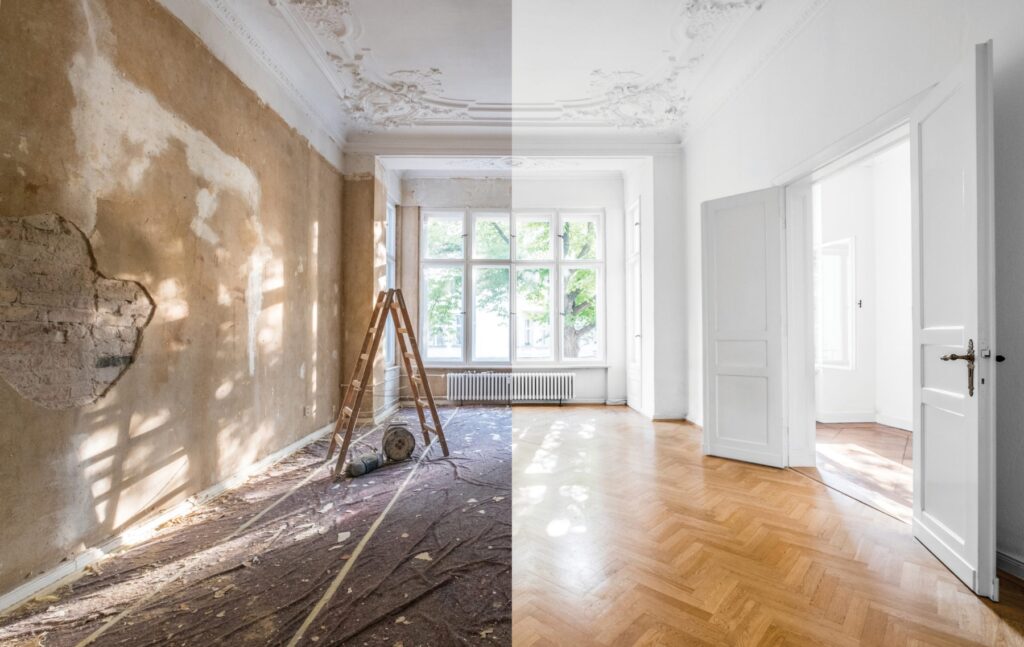
Once the property has been assessed, stabilization becomes the immediate priority. Temporary protective measures are often used to secure vulnerable areas and prevent additional weather exposure. Roof coverings, structural supports, and protective barriers help shield the property from further damage while restoration work moves forward. These steps are essential because storms frequently leave buildings exposed, and even minor rainfall afterward can worsen the situation if repairs have not yet been completed.
Moisture control is another important part of storm damage recovery. Rainwater that enters the structure can quickly affect flooring, drywall, insulation, and wooden framing. Without proper drying techniques, trapped moisture can cause swelling, warping, and deterioration within structural components. Restoration specialists use specialized equipment to remove excess humidity and restore balanced indoor conditions. This process helps protect the building from secondary issues such as material breakdown or microbial growth that can develop if moisture lingers.
Storm damage restoration ultimately focuses on bringing stability and comfort back to the property while protecting it from future problems. The process goes beyond simple repairs by addressing the deeper effects that storms can leave behind within a structure. When restoration is handled with care and attention to detail, the property can regain its strength and reliability. Homes and businesses that receive timely restoration often recover faster and return to normal operations with confidence, knowing that the hidden effects of the storm have been carefully resolved rather than simply covered up.